
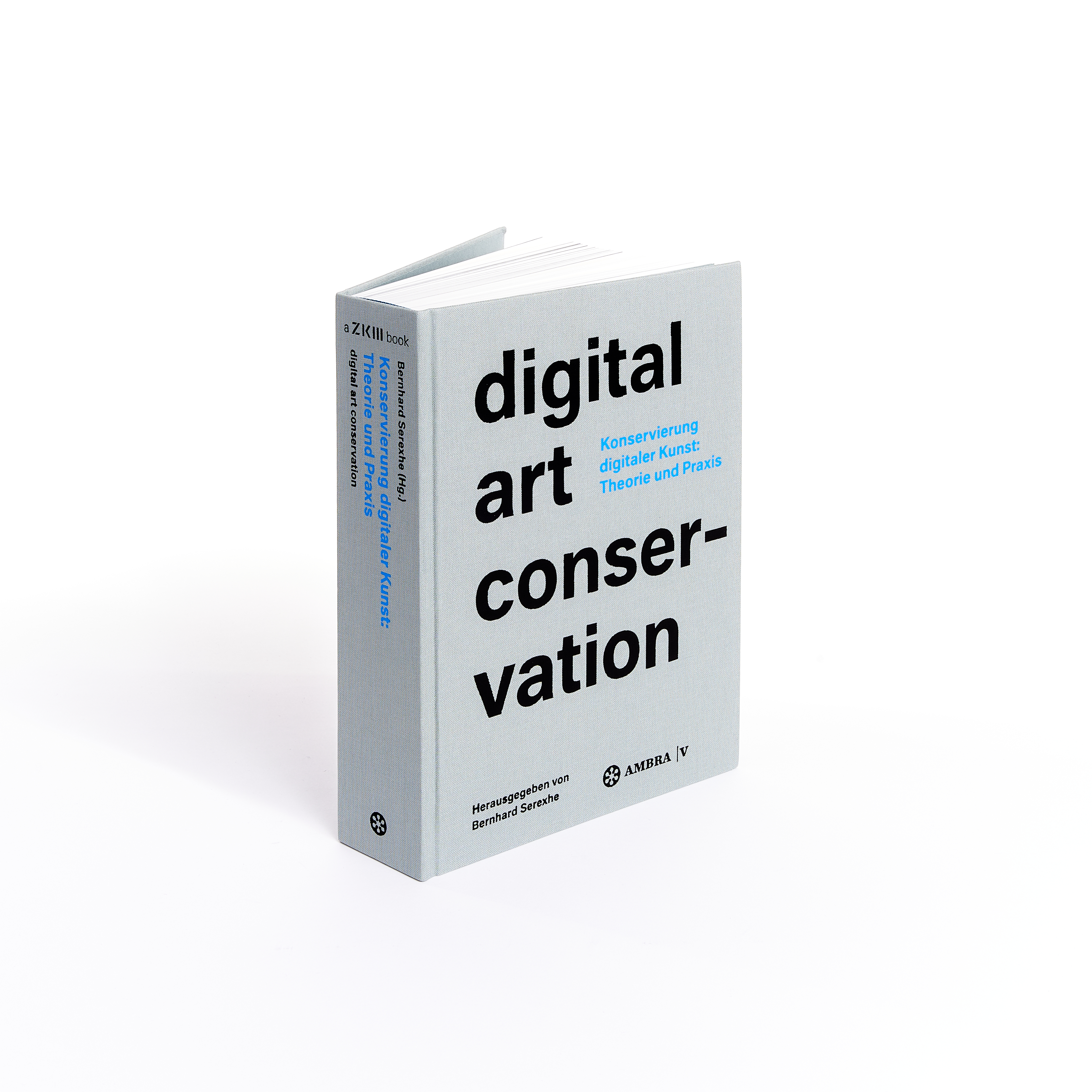
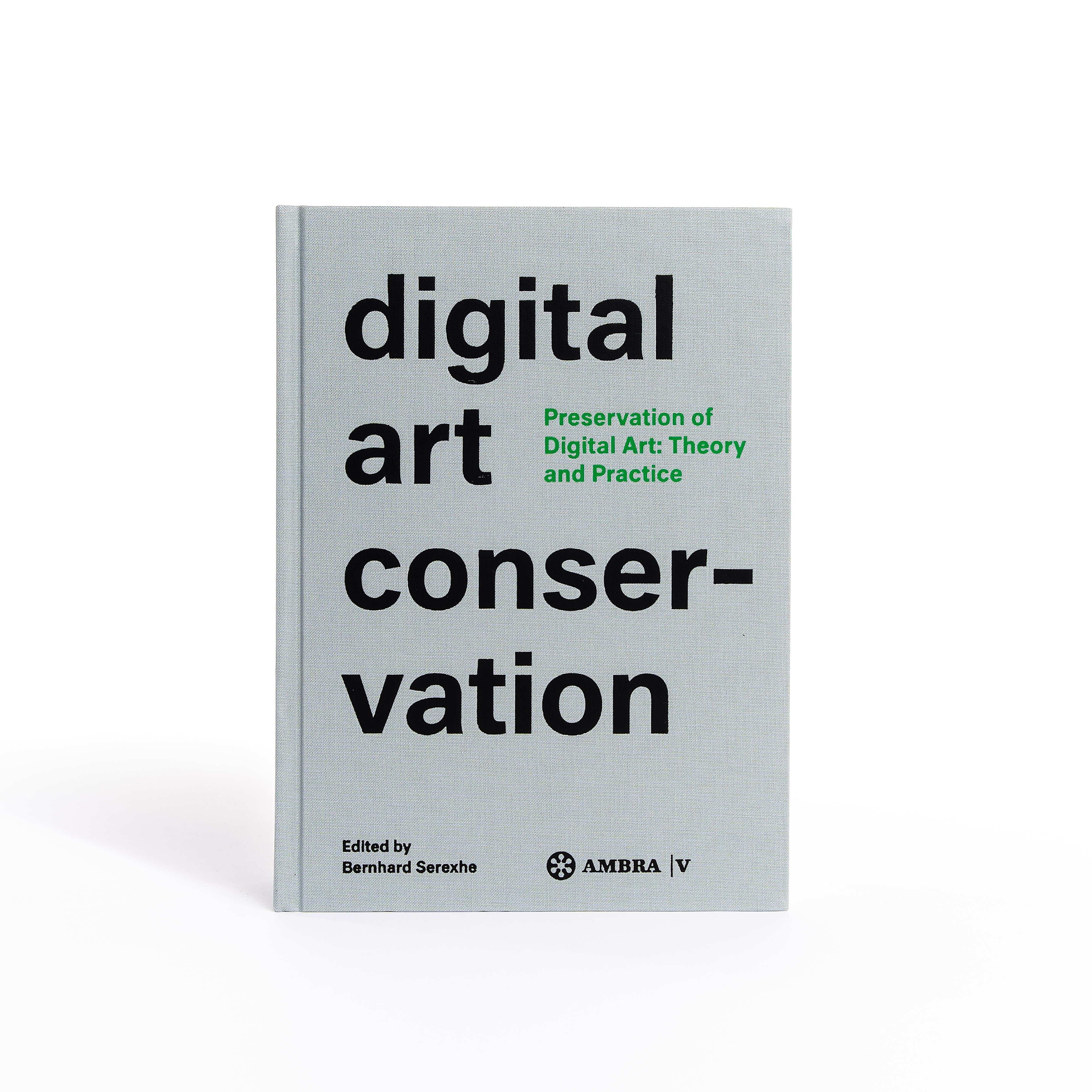
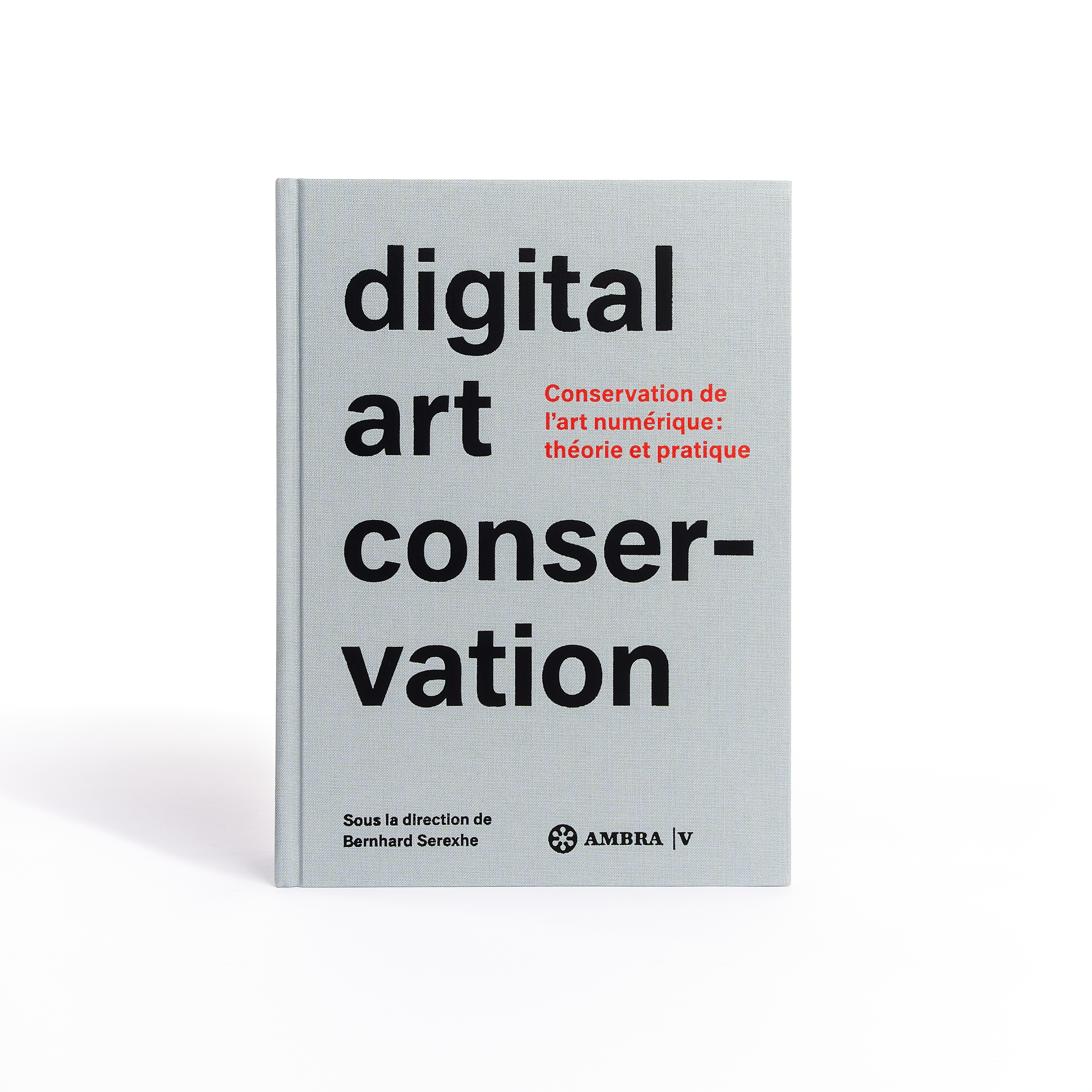
Are you born-digital? This could be the ultimate, decisive question in the future when it comes to preserving and making the art of our time accessible for future generations. This book presents the results of the «digital art conservation» project that was conceptualized and implemented at the ZKM | Center for Art and Media Karlsruhe beginning in 2010. It includes text contributions by leading theorists, restorers, programmers, and artists as well as case studies. It is designed to foster the international debate on the preservation of digital art. With contributions by Edmond Couchot, Alain Depocas, Johannes Gfeller, Sabine Himmelsbach, Anne Laforet, Aymeric Mansoux, Antoni Muntadas, Jussi Parikka, Bernhard Serexhe, Peter Weibel, and Siegfried Zielinski.

Tod der Kunst – oder die Geburt der Moderne? Was passiert, wenn die Kunst nicht mehr die Wirklichkeit abbildet und darstellt, sondern sie direkt ausstellt? Wenn der Schein der Realität, also ihr Abbild in der Kunst, durch das Sein der Realität selbst ersetzt wird? Kommt der Verlust dargestellter Wirklichkeit tatsächlich einem Selbstmord der Kunst gleich, weil sie sich scheinbar selbst die Grundlage ihrer Bedeutung entzog? In der radikalen Moderne wurde alles, was bis dato gemalt, also nur visuell dargestellt worden war, durch die Realität und durch reale Dinge ersetzt – so die These dieser Publikation: Auf die Verbannung der Gegenstandswelt aus der Kunst durch die abstrakte Malerei antwortete Marcel Duchamp mit der Erfindung des Readymades. Später traten Aktion oder Performance an die Stelle der gemalten Porträts von realen Körpern, statt gemalter Landschaft gab es die Land-Art, statt gemalter Stillleben reale Gegenstände in Assemblagen oder Installationen. In zehn Themenkreisen wird dieser Bruch in der Kunstgeschichte in vorliegender Publikation anhand von rund 350 Werken von 1800 bis zur Gegenwart als Geburt der Moderne nachvollziehbar. Texte von Peter Weibel begleiten die Darstellung. höchst interessante Gegenüberstellung von historischen und modernen künstlerischen Ausdrucksformenüber 1.400 Abbildungen, davon über 1.200 farbig
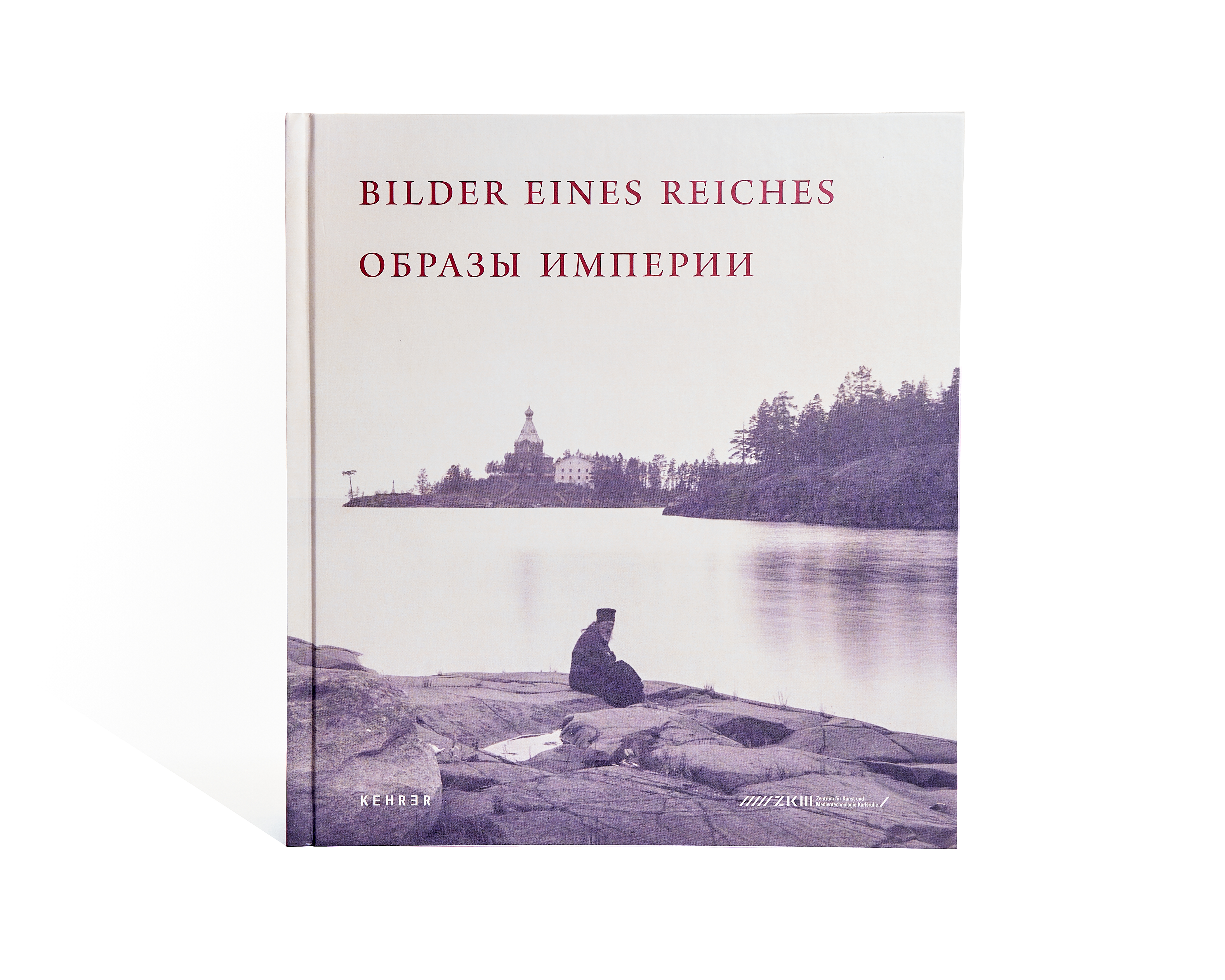
Der vorliegende Band präsentiert bislang unveröffentlichtes Bildmaterial, das auf eindrückliche Weise das Leben im russischen Reich im 19. Jahrhundert dokumentiert. Im Auftrag des Zaren versuchten Fotografen in den 1860er- und 1870er-Jahren, das für die damalige Zeit neue Medium Fotografie zur systematischen Dokumentation unterschiedlicher Facetten des Lebens im gesamten russischen Reich zu nutzen: verschiedene Bevölkerungsschichten, Völker, Landschaften, Städte, industrielle Projekte, traditionelle Bräuche, Kriegsereignisse und Gefängnisse. Da Fotografie meist im privaten oder kommerziellen Rahmen verwendet wurde, stellen diese Bilder einen interessanten sozialgeschichtlichen Sonderfall dar, und in gewisser Weise fungieren sie auch als visuelle Fortschreibungen der russischen realistischen Literatur der damaligen Zeit. Obwohl die Dokumentationsprojekte von offiziellen Stellen unterstützt wurden, werfen die Bilder einen realistischen, illusionslosen Blick auf das vorrevolutionäre Russland. Das Buch versammelt erstmals mehr als 300 Fotos von fünf russischen Museen und zwei privaten Leihgebern und erschließt dadurch eine immer noch wenig bekannte Epoche in der Entwicklung des Mediums Fotografie.
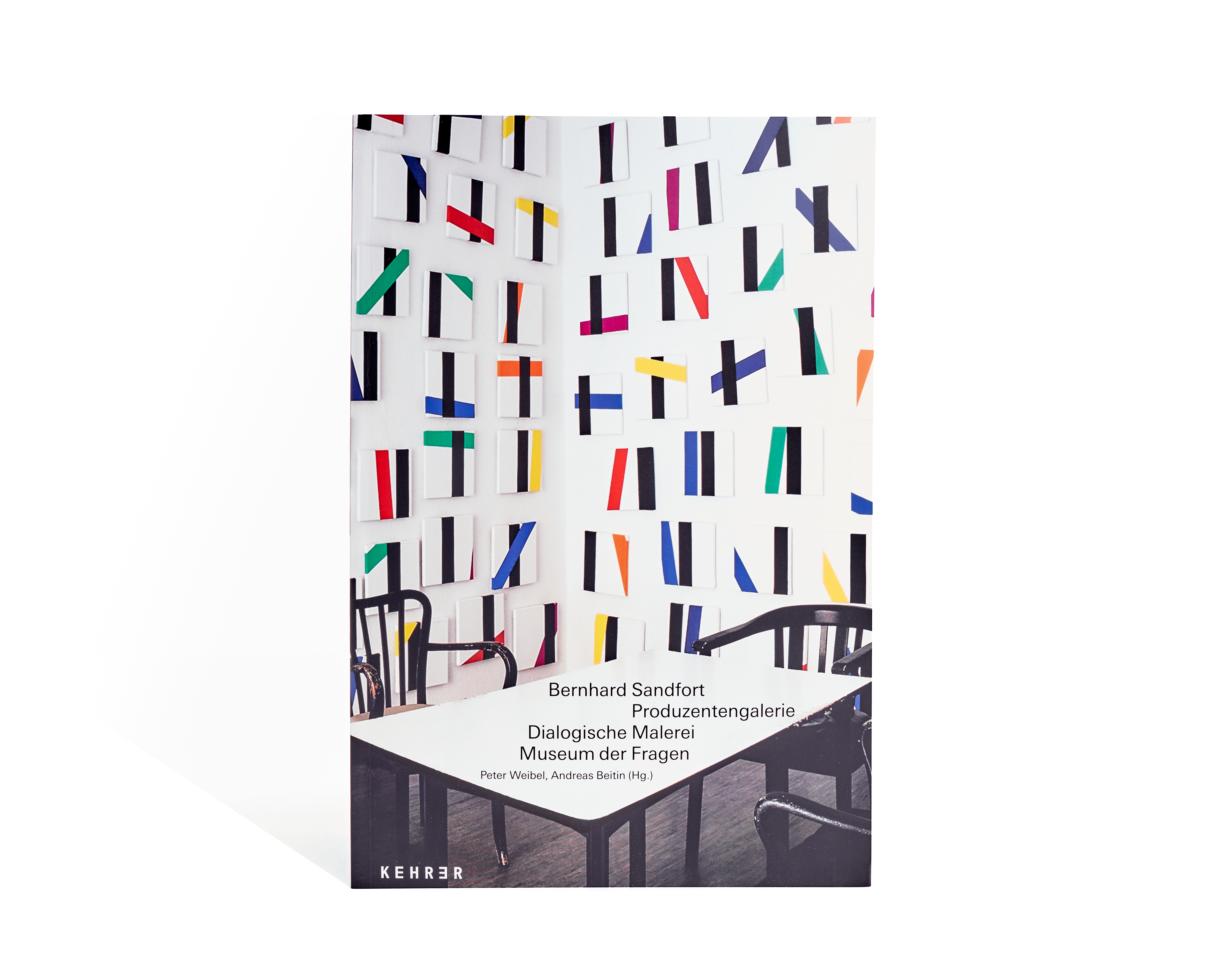
Der Künstler Bernhard Sandfort (*1936, Köln) hat seit den frühen 1960er-Jahren - in Abgrenzung zu Informel und Tachismus - ein strenges malerisches Konzept realisiert. Die Anordnung in seinen Bildern ist festen kompositorischen Regeln untergeordnet und fordert gleichzeitig den Zufall heraus. In diesem Zusammenhang hat Sandfort den Begriff der 'metastatischen' oder auch 'dialogischen' Malerei formuliert. Mit der Eröffnung der 'Galerie für kollektive Kunst' 1969 in Berlin beginnt das gesellschaftspolitische Engagement des Künstlers. Sandfort suchte fortan nach Möglichkeiten, Kunst direkt und ohne Umwege an den Kunden zu bringen. 1970 gründet er seine Produzentengalerie 'Augenladen' in Mannheim. Hier organisiert Sandfort bis heute neben Ausstellungen auch Veranstaltungen zu gesellschaftspolitischen Fragen.

Viel geschmäht, dann viel geschmückt: Die vollständige Werkschau des Aktions- und Body-Art-Künstlers Günter Brus Günter Brus gilt als Pionier der Body Art, als derjenige, der den Körper als ausschließliches Ausdrucksmedium in die Kunst eingeführt hat. Seine provokanten Aktionen in Wien machten ihn in den 1960er-Jahren zum Feindbild von Öffentlichkeit und Staat. Es war ein langer, störungsreicher Weg, den der 1938 in der Steiermark geborene und heute in Graz lebende Günter Brus von seiner radikalen Körperkunst bis hin zum Träger des Großen Österreichischen Staatspreises, 1997 für sein Gesamtwerk verliehen, zurücklegte. Die vorliegende Publikation zeichnet diesen langen Weg der künstlerischen Entwicklung Günter Brus‘ und seine Rezeption in der Öffentlichkeit nach und verweist gleichzeitig auf die internationale Bedeutung des Wiener Aktionisten anhand von Arbeiten aus verschiedenen Schaffensbereichen und -phasen des Künstlers: Neben zum Teil noch nie veröffentlichten fotografischen und filmischen Dokumentationen der Aktionen zwischen 1964 und 1970, etwa Wiener Spaziergang (1965) und Zerreißprobe (1970), die seinen internationalen Stellenwert als wichtiger Künstler der Body-Art veranschaulichen, präsentiert der Bestandskatalog die Bild-Dichtungen, eine Kombination von Text und Bild, die Brus als eigenständige künstlerische Gattung proklamiert, sowie Zeichnungen und Druckgrafiken. Der prachtvolle Band spannt so einen Bogen von den 1970er-Jahren bis in die Gegenwart, der die Komplexität des Schaffens von Günter Brus verdeutlicht. Die komplette Werkschau des Ausnahmekünstlers Günter BrusMit über 2.000 AbbildungenExklusiv: die noch nie veröffentlichten fotografischen und filmischen Dokumentationen der Aktionen des Künstlers

Vielseitigkeit als Programm: Das Gesamtwerk des Künstlers, Designers, Theoretikers und Architekten Hans Hollein war mehr als nur ein Architekt: Er war Künstler, Designer und Ausstellungsgestalter. Berühmt wurde er mit seiner Forderung „Wir müssen die Architektur vom Bauen befreien!“ – und sein Motto war: „Alles ist Architektur“. Hans Hollein (1934-2014) arbeitete erfolgreich als bildender Künstler, Designer und Architekt - auf ihn traf die Bezeichnung »Universalkünstler« zu. Als Architekt wurde der Pritzker-Preisträger und Präsident der Architekturbiennale Venedig weltberühmt. Was die wenigsten Hollein-Interessierten wissen: Hollein war mit seinen „nachhaltigen Projekten“ ein Pionier: Begriffe wie Aktiv- oder Passivhaus sowie Ökologie standen für ihn nicht im Vordergrund, und doch gibt es sie. Während er zwar nicht klassisches „Green Building“ betrieb, verstand er es als Archtiekt aber trotzdem, die Ressourcen und den Raum bewusst und sparsam zu nutzen. Sein künstlerisches Werk der 1960er- und 1970er-Jahre, das ihm etwa Ausstellungen im MoMA in New York und im Centre Pompidou in Paris einbrachte, ist jedoch wie seine Arbeiten als Designer und Ausstellungsgestalter in den 1970er- und 1980er-Jahren in der Zwischenzeit etwas aus dem Blickpunkt der Öffentlichkeit geraten. Die umfangreiche Publikation präsentiert erstmals das Gesamtwerk des Künstlers, Designers, Theoretikers, Kurators und Architekten.Umfassende Publikation zur ersten Retrospektive des UniversalkünstlersMit über 700 farbigen Abbildungen Hans Hollein, geboren 1934 in Wien und 2014 dort verstorben, entstammte einer Familie von Bergbauingenieuren. Nach dem Studium der Architektur an der Akademie der bildenden Künste in Wien und dem Illinois Institute of Technology (IIT) sowie in Berkeley arbeitete er zunächst in verschiedenen Architekturbüros, bis er sich 1964 als staatlich befugter und beeideter Ziviltechniker selbstständig machte. Von 1964 bis 1970 war er Redakteur der Zeitschrift Bau in Wien und war überdies als Korrespondent verschiedener in- und ausländischer Fachzeitschriften tätig. Von 2010 bis zu seinem Tod 2014 arbeitete er zusammen mit Christoph Monschein in der Hans Hollein & Partner ZT-GmbH. Ein wesentlicher Teil Holleins Lebens war auch durch seine Lehrtätigkeit im In- und Ausland geprägt: Er hatte Gastprofessuren in den USA, an der Staatlichen Kunstakademie Düsseldorf sowie an der Universität für angewandte Kunst in Wien inne.
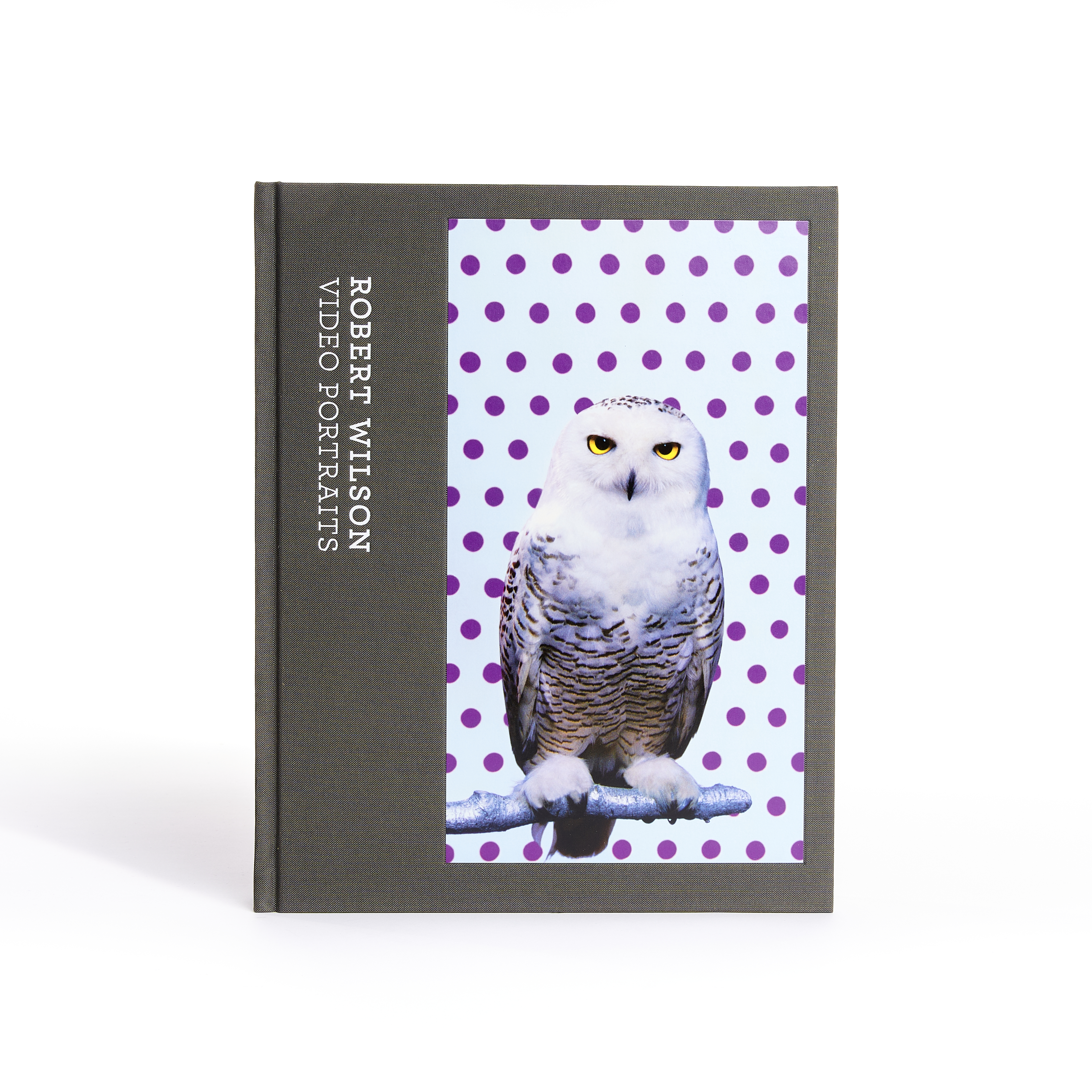
Wenn der weltweit gefeierte Künstler Robert Wilson über seine Videoporträts spricht, dann erzählt er zunächst von seinem Wunsch, ästhetische und geistige Räume zu gestalten. Geprägt von einer intensiven Bild- und Tonsprache, haben Wilsons «Darsteller» eine überraschend sinnliche Präsenz. Mehr als dreißig dieser poetischen Arbeiten sind im ZKM zu sehen. Sie zeigen theatralische Inszenierungen von Hollywoodstars und Persönlichkeiten wie Brad Pitt, Caroline von Monaco, Isabella Rossellini, Salma Hayek, Dita von Teese, Robert Downey Jr., aber auch von Tieren und unbekannten Passanten. Wilsons Künstlertum konstruiert sich aus einer Reihe singulärer persönlicher Erfahrungen (Sprachbehinderung), wie auch aus den entscheidenden Impulsen der 1960er-Jahre (von Performance bis Minimal Art), die auch in seine legendären Theaterinszenierungen seit den 1970er-Jahren einflossen. Seine ersten Videoporträts von bedeutenden Persönlichkeiten wie Louis Aragon, Pontus Hultén, Helene Rochas, von Passanten und Tieren schuf Wilson bereits in den 1970er-Jahren. In seinen jüngsten Porträts nutzt er seit 2004 die technischen Möglichkeiten der High-Definition-Auflösung, die es ihm erlaubt, den Reichtum seiner Bild- und Bühnensprache auszudifferenzieren. Bewegung, Gestik, Make-up, Kostüm, Kulisse, Lichteinsatz ebenso wie die Stile der Hoch- und Popkultur, die klassischen wie neuen Medien: Malerei, Design, Musik, Oper, Tanz, Theater, Fotografie, Fernsehen, Film etc. kommen in Wilsons Videoporträts zusammen. Die dargestellten Persönlichkeiten verweisen dabei teils auf eigene biografische Details, teils auf kulturgeschichtliche Quellen. Robert Downey Jr. stellt beispielsweise den Leichnam von Rembrandts Gemälde «Anatomie des Dr. Nicolaes Tulp» (1632) dar, während Brad Pitt die mimische Kraft seiner Schauspielkunst mit Pistole und in Boxershorts demonstriert. Untermalt werden diese Tableaus teils mit von Wilson selbst gesprochenen Texten und Musik bedeutender Komponisten (u.a. Johann Sebastian Bach, Ludwig van Beethoven, Raymond Scott, Tom Waits). In seinen Porträts von unbekannten Menschen und Tieren erreicht Wilsons komplexe Bild- und Tonsprache ihren Höhepunkt als Zelebrierung der Empathie. Wilsons Videoporträts haben also eine die Wahrnehmung erweiternde Funktion. In der Geschichte der Porträtmalerei und des fotografischen Porträts stellen seine Videoporträts eine Klimax dar, die wegweisend ist.
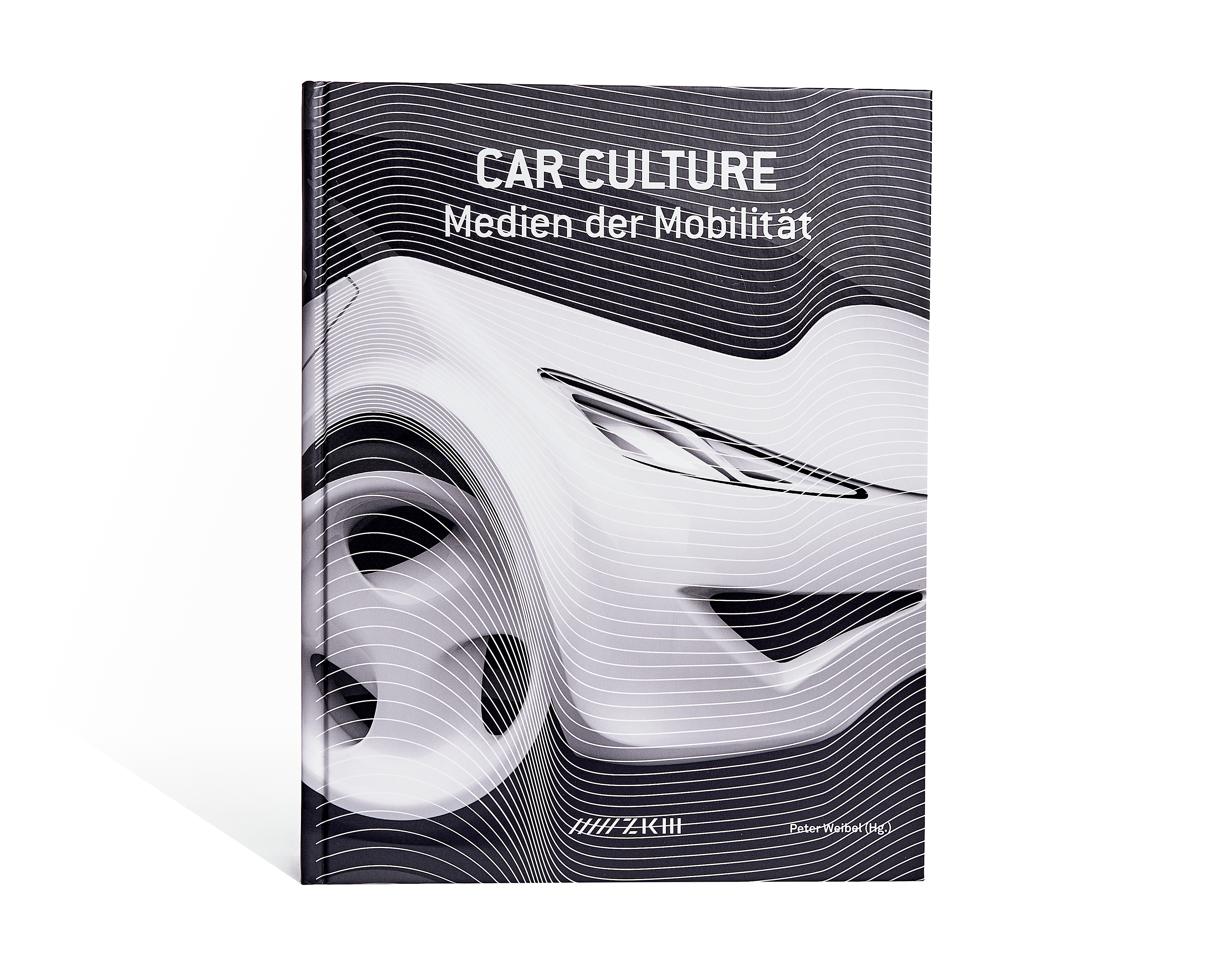
Die Ausstellung »Car Culture. Medien der Mobilität« und das vorliegende Buch zeigen erstmals die Parallelentwicklung der physischen und virtuellen Mobilität, beziehungsweise Kommunikation, von Hertz bis zum Handy, vom Automobil bis zum Mobilfunk, durch die die Menschen grenzenlos mobil geworden sind. Mit mehr als 400 Abbildungen und Essays und Textbeiträgen von Thomas Girst, Jürgen Jähnert, Marshall McLuhan, Matthias Penzel, Franz Pichler, Florian Rötzer, Bernhard Schäfers, Peter Sloterdijk, Paul Virilio und Peter Weibel.
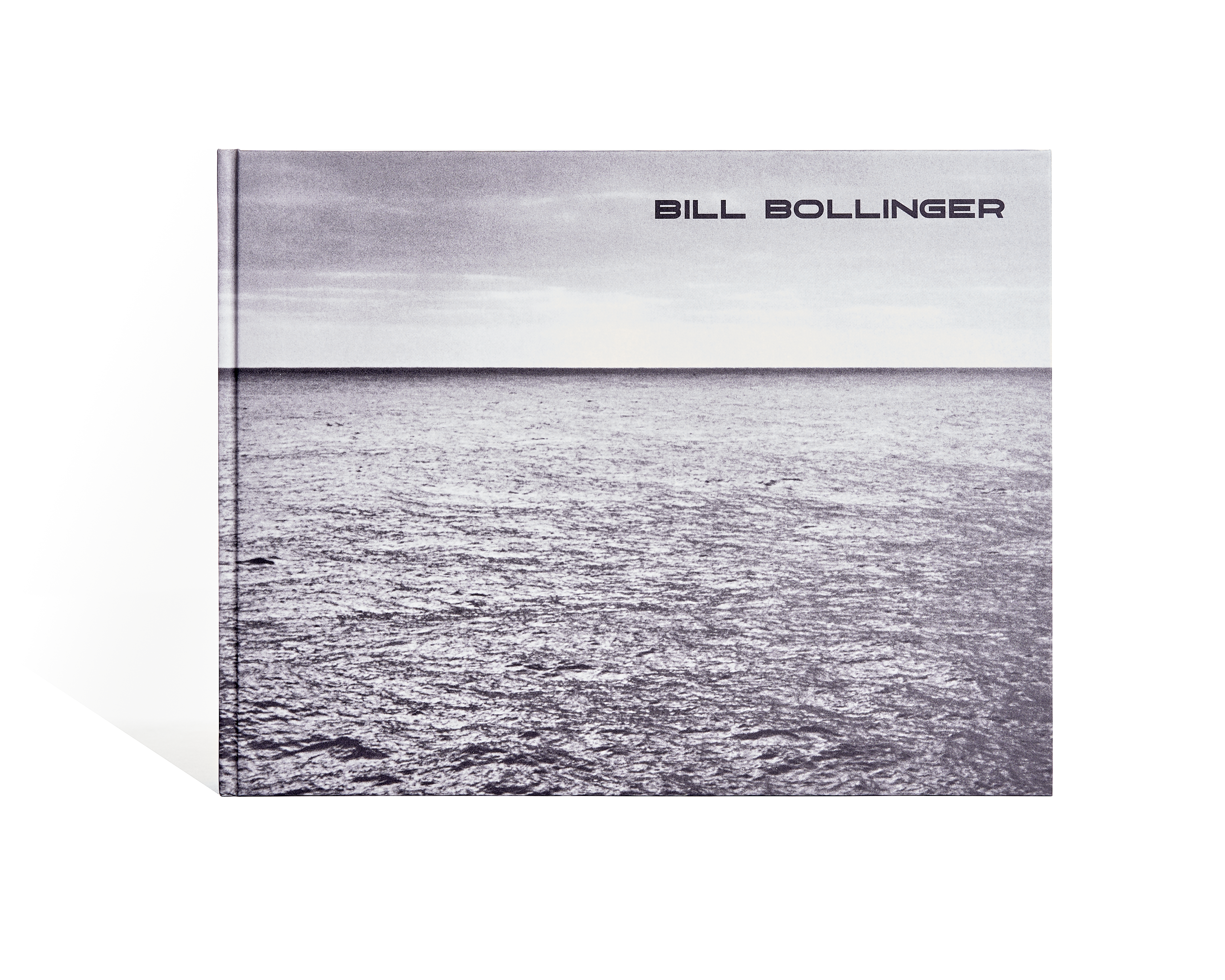
Diese Monografie präsentiert erstmals das radikale plastische Werk des nahezu in Vergessenheit geratenen amerikanischen Künstlers Bill Bollinger (1939-1988). Sie enthält Essays von Christiane Meyer-Stoll, Saul Ostrow, Harris Rosenstein und Peter Schjeldahl, Schriften des Künstlers sowie Gedanken und Erinnerungen an Bill Bollinger von Deedee Agee, Carl Andre, Siah Armajani, Brit Bunkley, Ernst Caramelle, David Chittick, Fran Cohen, Dale Culleton, Ellen Ellison, Rafael Ferrer, Robert Grosvenor, Robert Huot, Klaus Kertess, Gary Kuehn, Dorothy Lichtenstein, Egidio Marzona, Robert Mattson, Olaf Metzel, Paul Mogensen, David Novros, Rolf Ricke, Dorothea Rockburne, Wade Saunders, Roman Signer, Keith Sonnier, Barbara Toll, Marcia Tucker und George Knight Wilson. Eine reich bebilderte Ausstellungsgeschichte mit erstmals publizierten Fotografien und zahlreichen Zeitdokumenten bildet den Hauptteil der Publikation. Farbtafeln von Arbeiten auf Papier und der Ausstellung geben zudem einen umfassenden Einblick in das nahezu unbekannte Werk. In den späten 1960er Jahren gehört Bill Bollinger zu den wichtigsten Bildhauern seiner Zeit. Er wird in einem Atemzug mit Künstlern wir Bruce Nauman, Robert Smithson, Eva Hesse und Richard Serra genannt. Nach dem Studium der Luftfahrttechnik an der renommierten Brown University in Rhode Island zieht Bollinger 1961 nach New York, um Malerei zu studieren. Er nimmt an legendären Ausstellungen teil. Es entsteht ein dichtes, vielfältiges Werk puristischer, ephemerer und energiegeladener Arbeiten, die uns heute noch erstaunen. Ab Mitte der 1970er Jahre ist er in der internationalen Kunstwelt nicht mehr präsent. "Ich mache nur, was notwendig ist. Es gibt keinen Grund, Farbe zu verwenden, zu polieren, zu biegen, zu schweissen, wenn es nicht notwendig ist."Bill Bollinger, 1968
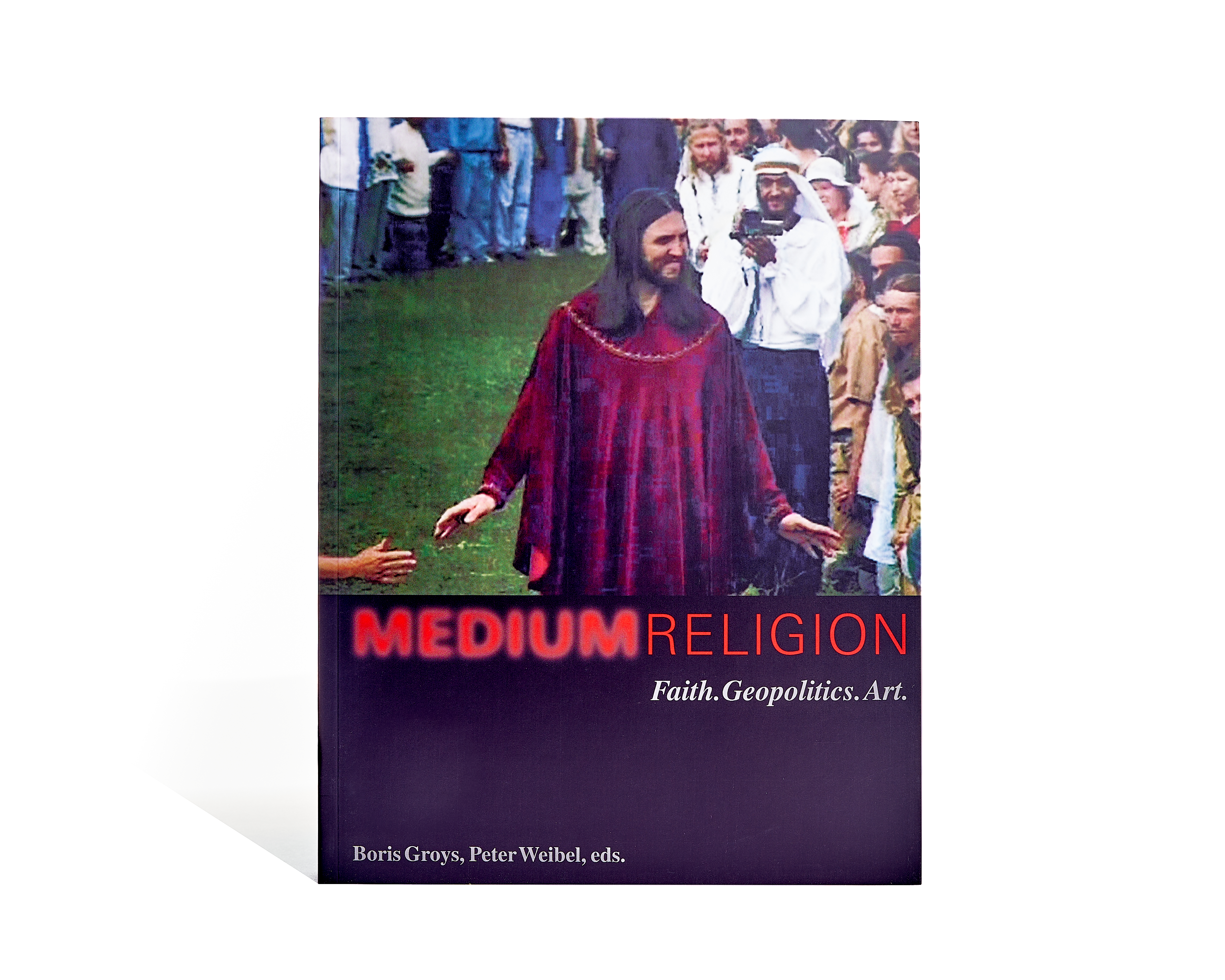
The original media used by religions were scriptures and books. Today´s religions movements operate predominantly with images that can be produced and distributed by means of electronic picture media, such as video and television, for example, as religious propaganda. The so-called return of religions does not necessarily mean that more people having become religious. Instead, religions have moved from the private sphere of personal belief to the public sphere of visual communication. They function as machines for the repetition and mass media distribution of mechanically produced images. The publication »Medium Religion. Faith. Geopolitics. Art.« provides insight into the medial reproduction and significance of religion, in particular, its manifestations in geopolitical hot spots like the Middle East, Asia, Russia, the U.S., and South America. It comprises scientific contributions by renowned theorists and a documentation of the exhibition.
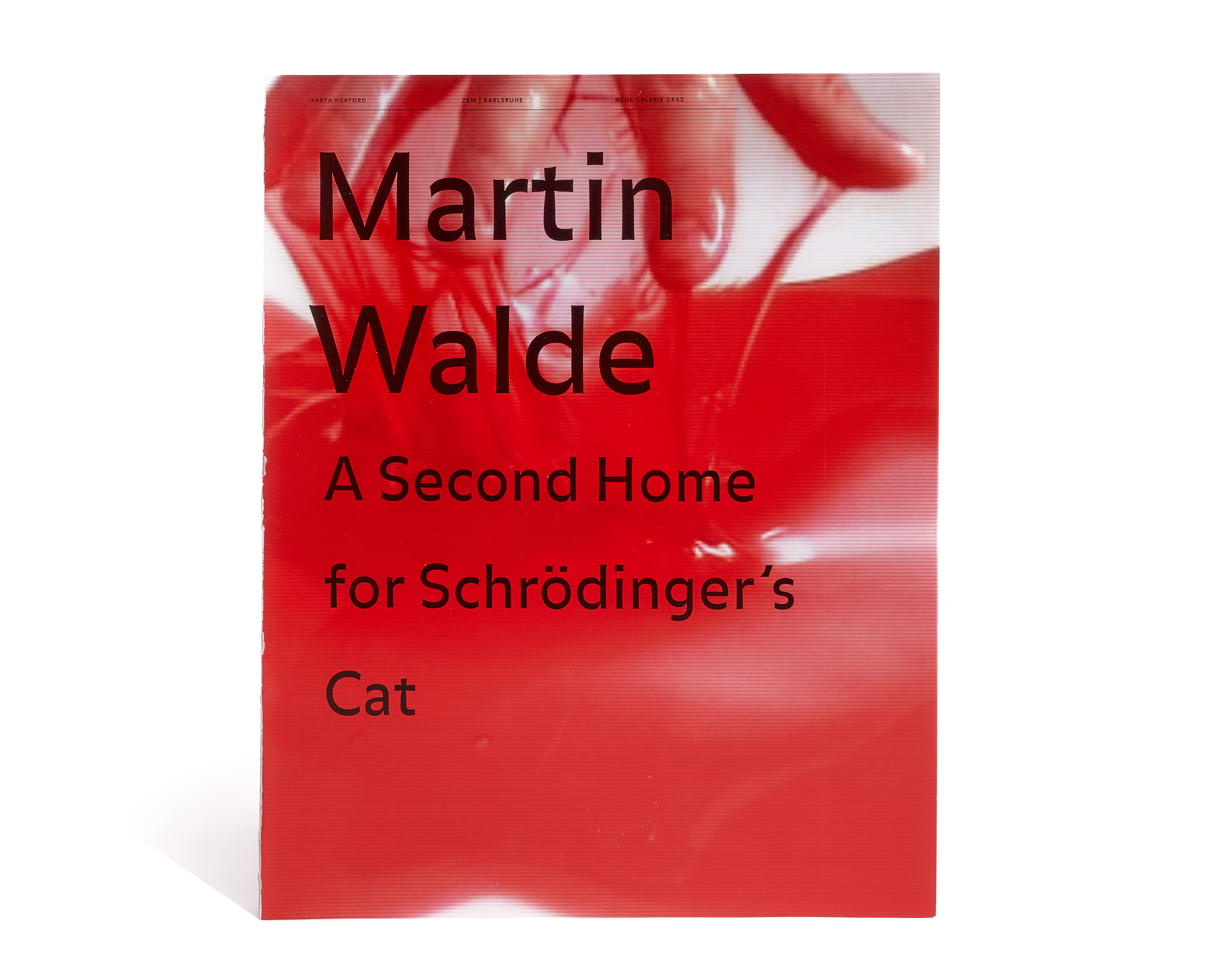
Als Finder und Erfinder von Formen gewinnt der österreichische Künstler Martin Walde alltäglichen Dingen neue Faszinationskraft ab. In teilweise langjährigen Herstellungsprozessen und Materialerprobungen entwickelt er eine »parallele Dingwelt«, die den Betrachter ebenso wie das Museum vor unerwartete Situationen stellt. "Sie aktiviert unsere gedankliche Elastizität, ähnlich wie »Schrödingers Katze«, die eine Beule in unseren (kollektiven) Gedankenräumen erscheinen lässt, an der wir beständig herumdrücken, die aber nicht verschwinden will. Wie wäre es denn, wenn wir morgens statt der Schnürbänder einen völlig neuen Verschluss an unseren Schuhen vorfinden würden? Auch wenn er noch so einfach wäre, würden wir nicht sofort verstehen, wie er funktioniert. Ein Handgriff oder ein Kopfgriff ist etwas, das sich erst durchsetzen muss, um Teil unseres Vokabulars zu werden. Und was haben die unerwarteten Schuhverschlüsse mit »Schrödingers Katze«gemeinsam? Sie sind eine der Erwartungen zuwider laufende Wirklichkeit." (M.W.) Der Katalog »Martin Walde - A Second Home for Schrödinger´s Cat«erscheint anlässlich der bisher größten Einzelausstellung Waldes im Marta Herford (2010) sowie der Präsentation im ZKM | Karlsruhe (2009) und in der Neuen Galerie Graz (2007) und gibt einen Umfassenden Überblick über das breite und vielgestaltige Werk dieses Ausnahmekünstlers.
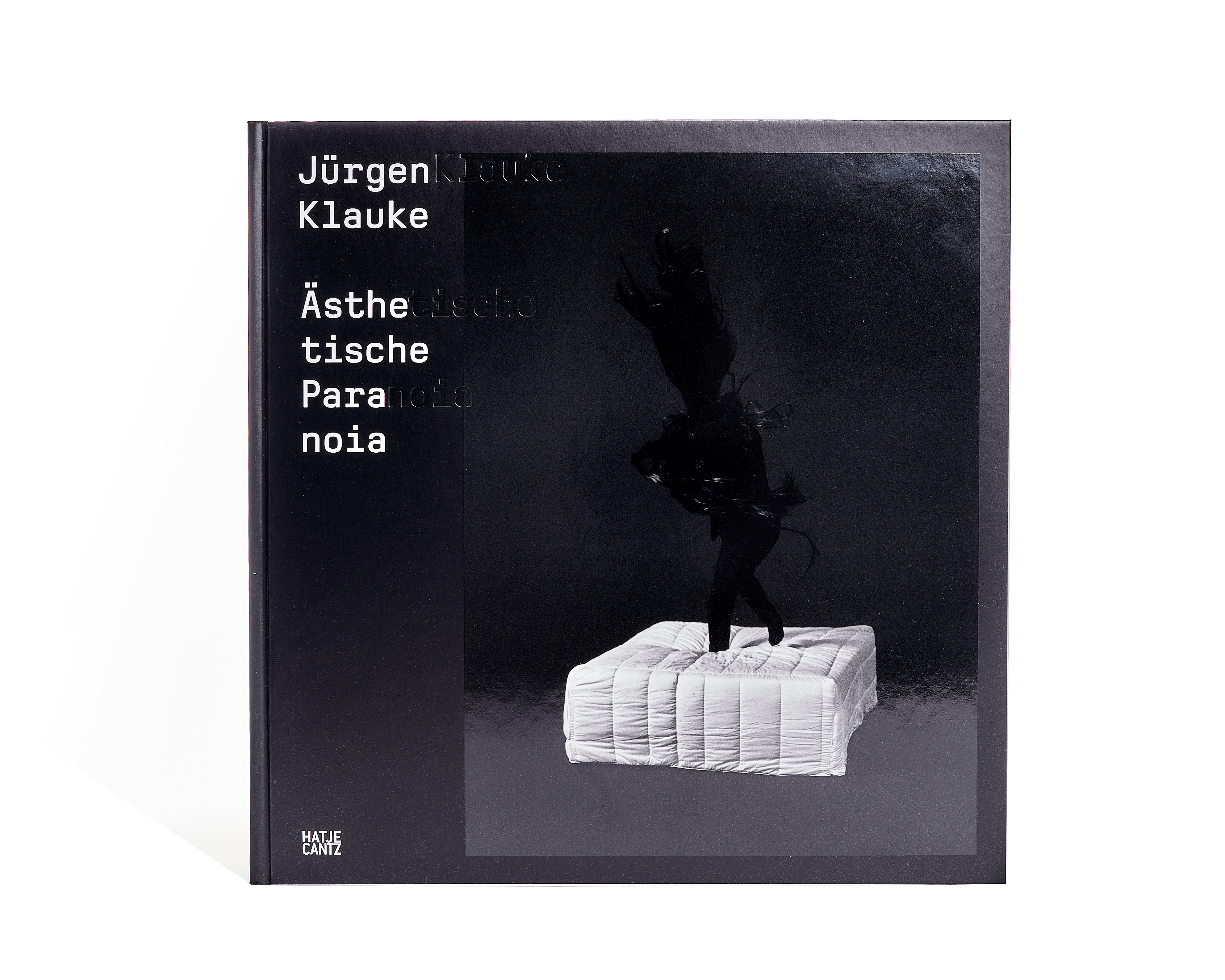
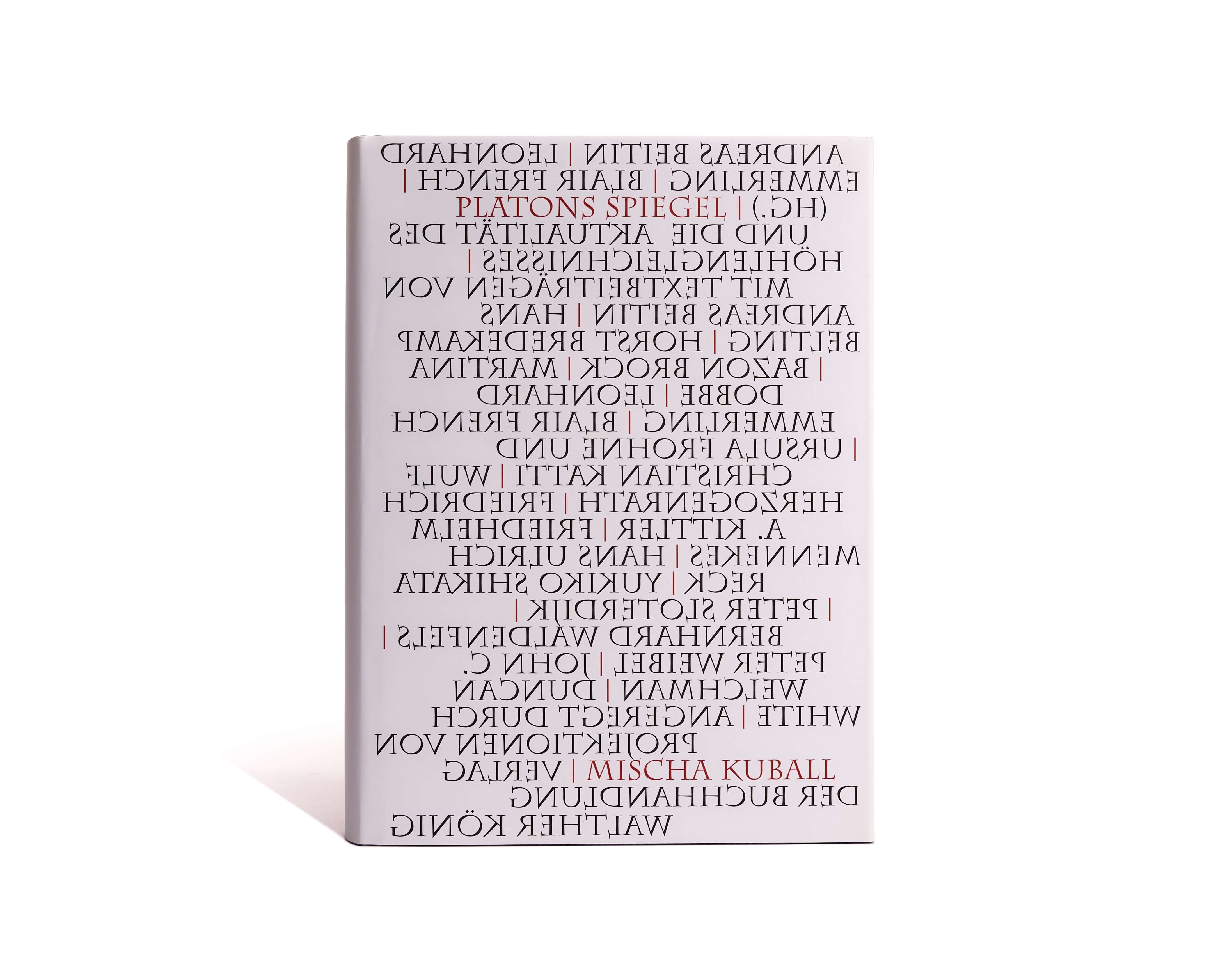
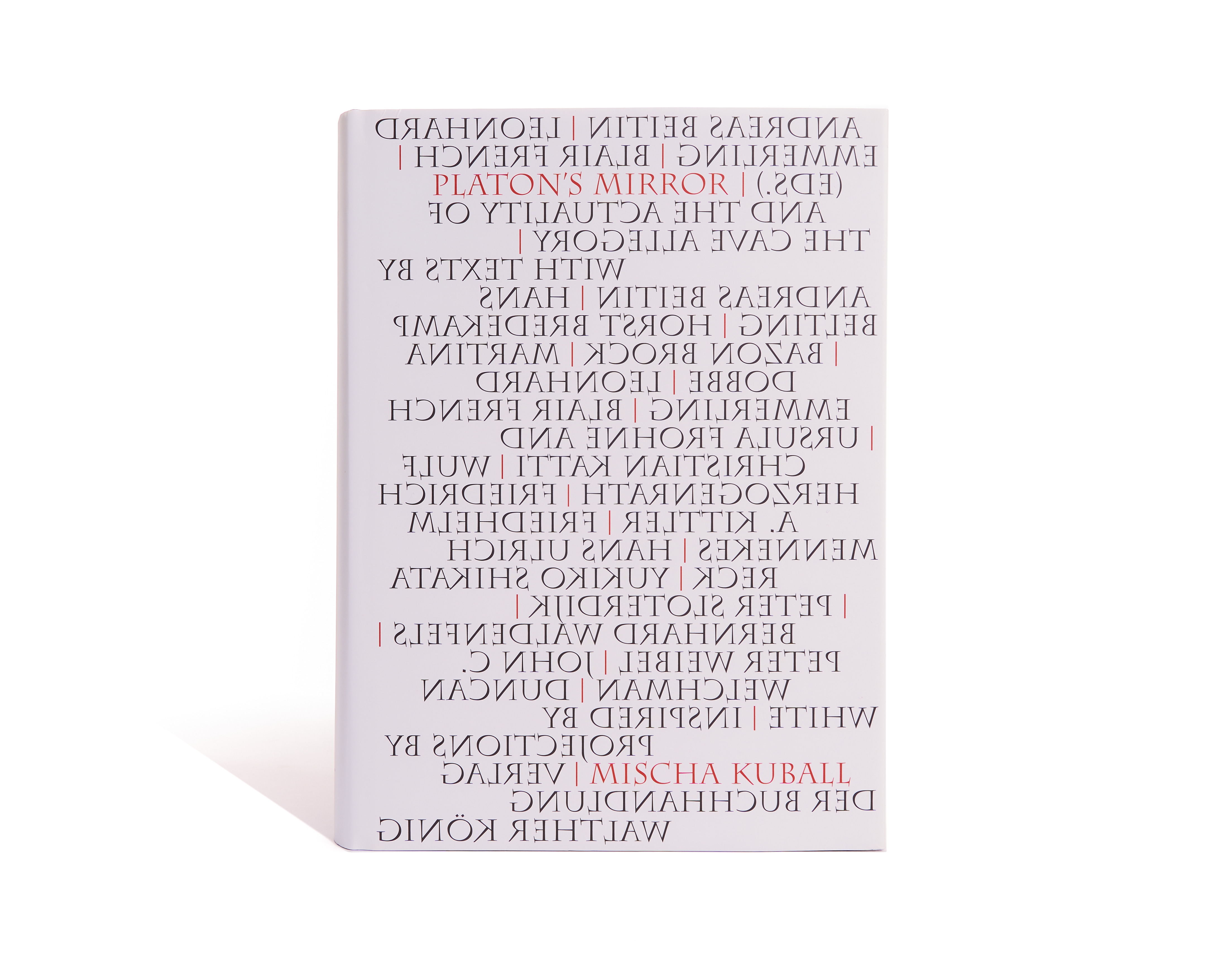
Jürgen Klauke ist ein Künstler, der die Fotografie als Instrument nutzt, um sich und die Welt zu befragen. Er hat im Bereich der Body Art und der kritischen Auseinandersetzung mit gesellschaftlich normierten Geschlechter-ldentitäten und sozialen Verhaltensmustern Wegweisendes geleistet und mit seinen komplexen Werkblöcken zu den Grundfragen menschlicher Existenz schon lange Maßstäbe in der Kunst gesetzt. In seiner neuen Werkphase reflektiert Klauke in minimalistisch-strengen bis exzessiven, manchmal auch surrealen Szenen die Bedingungen des paranoiden Daseins. Unter Verwendung alltäglicher Materialien als Mittel der Bildinszenierung schafft er luzide Bildräume, die von der Absurdität der Existenz sprechen. Diese Publikation mit Texten von Andreas F. Beitin, Régis Durand, Ursula Frohne und Christian Katti, Thomas Macho, Peter Sloterdijk, Toni Stooss und Peter Weibel dokumentiert mit Werkblöcken aus den vergangenen Jahren die aktuellsten Arbeiten Klaukes - darunter die Serien »Ästhetische Paranoia«, »Sich selbst optimierendes System«und »Wackelkontakt«sowie die erstmalig publizierte Reihe der »Schlachtfelder«- und erscheint anlässlich der Ausstellungen im ZKM I Museum für Neue Kunst in Karlsruhe und im Museum der Moderne Salzburg.
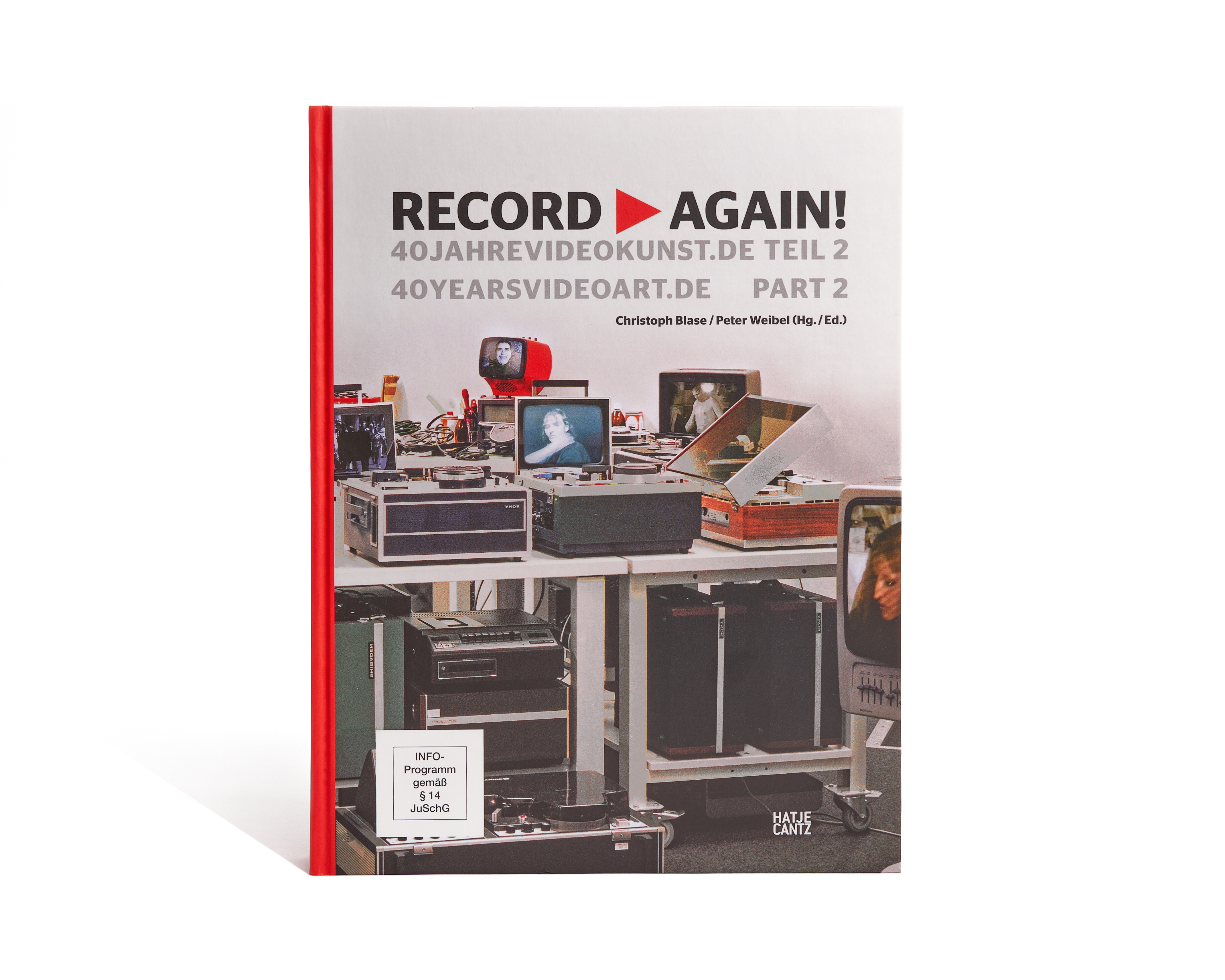
Der vorliegende Band ist der zweite Teil des Restaurierungsprojekts »40jahrevideokunst.de«. Die Rettung gefährdeten und vom Verschwinden bedrohten Videomaterials war das vordringliche Ziel dieses Projekts. Dabei ist es gelungen, eine Vielzahl von verschollenen Videos der 1960er- und 1970er-Jahre bei Künstlern, in Nachlässen und in Museumsdepots aufzuspüren, sie zu restaurieren und so nach oft mehr als dreißig Jahren zum ersten Mal wieder sichtbar zu machen.Die Publikation stellt über fünfzig frühe und meist unbekannte Videowerke vor und bietet eine illustrierte Geschichte der Videotechnik mit Erörterungen zur heutigen Restaurierungspraxis. Zusätzlich ermöglichen Texte von Künstlern, Kuratoren, Kunsttheoretikern und Medienwissenschaftlern einen tiefen Einblick in eines der einflussreichsten Genres der Kunst des 20. und 21. Jahrhunderts.Inhaltsangabe
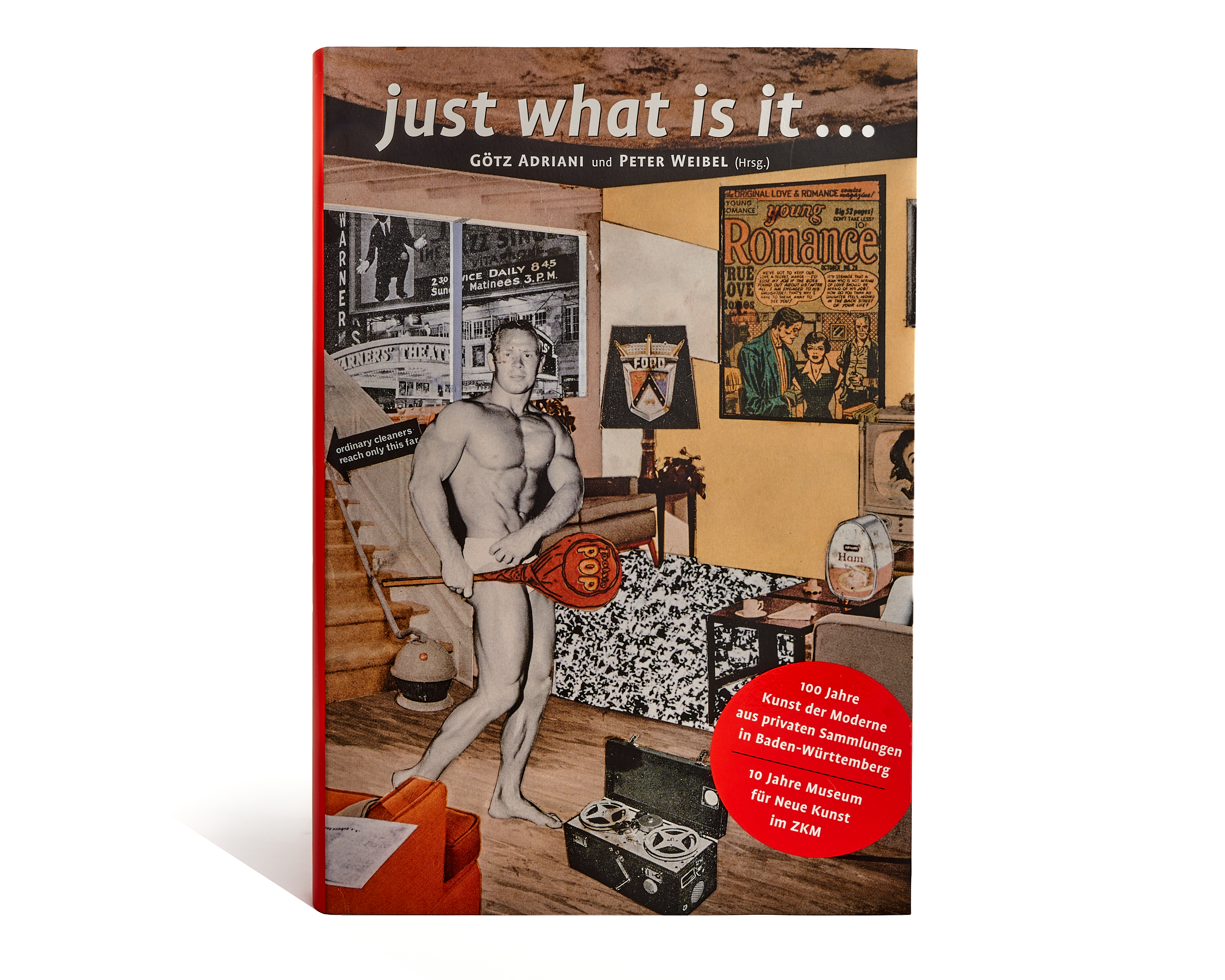
In Baden-Württemberg befindet sich eine bundesweit einmalige Dichte an privaten Sammlerpersönlichkeiten und Sammlungen, deren Bestände in ihrer Qualität und Quantität außergewöhnlich sind. Aus Anlass des 10-jährigen Bestehens des Museum für Neue Kunst im ZKM | Karlsruhe wird das Haus in ein »Museum der Moderne auf Zeit« verwandelt. 100 Jahre Kunst vom Beginn des 20. Jahrhunderts bis zum ersten Jahrzehnt des 21. Jahrhunderts werden anhand von hochkarätigen Hauptwerken aus baden-württembergischemPrivatbesitz auf eindrucksvolle Weise dokumentiert, um so wichtige Entwicklungslinien der Moderne und Postmoderne bis hin zur Gegenwart aufzuzeigen. Der opulente Bilderbogen reicht von Paul Cézanne, Ernst Ludwig Kirchner, Max Beckmann und Pablo Picasso über Jackson Pollock, Joseph Beuys, Gerhard Richter, Georg Baselitz und Anselm Kiefer bis hin zu Martin Kippenberger und Tobias Rehberger